Panorama Montessori School Inc.
National Highway, Canlalay, Biñan, Laguna
National Highway, Canlalay, Biñan, Laguna
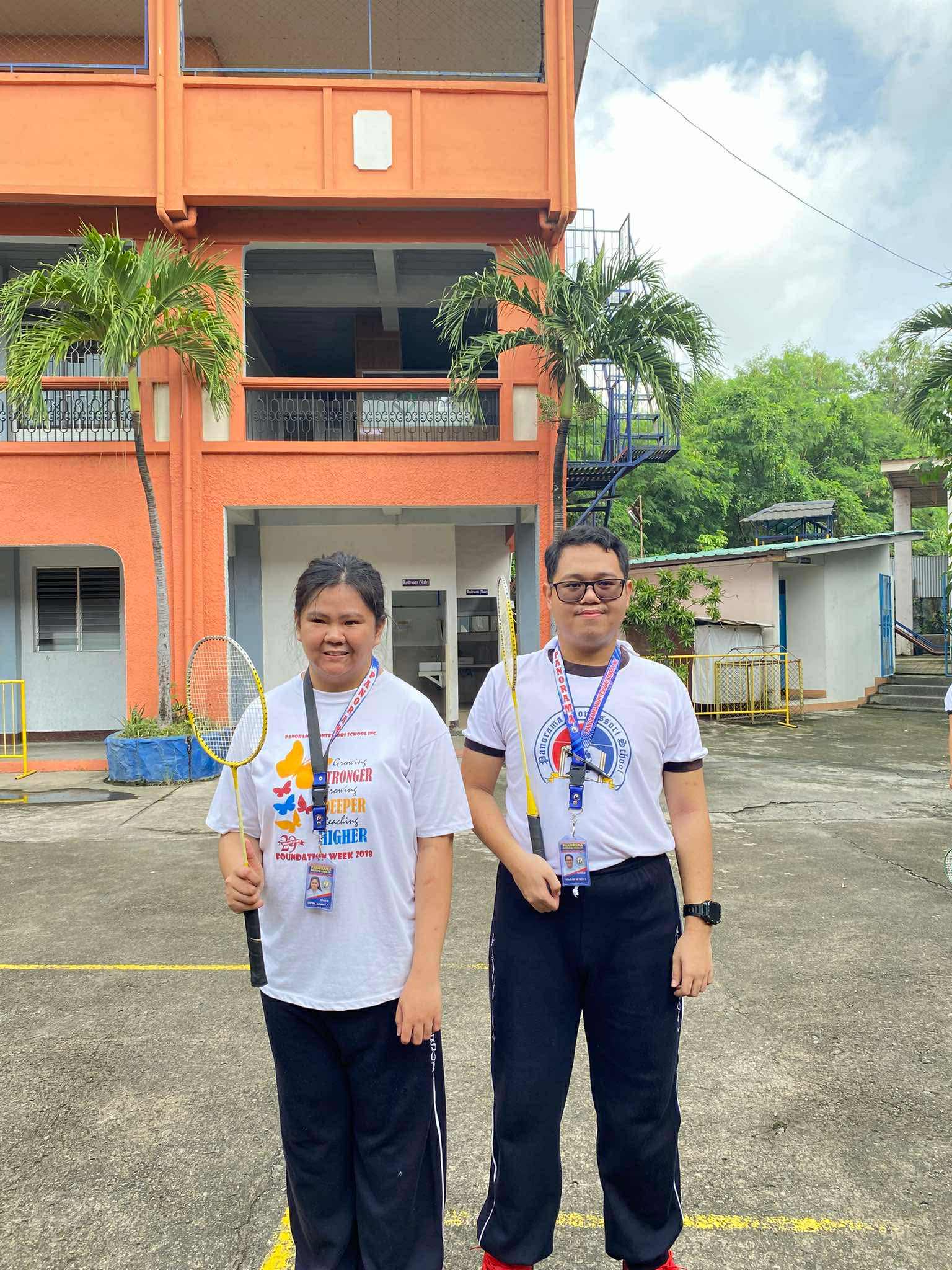
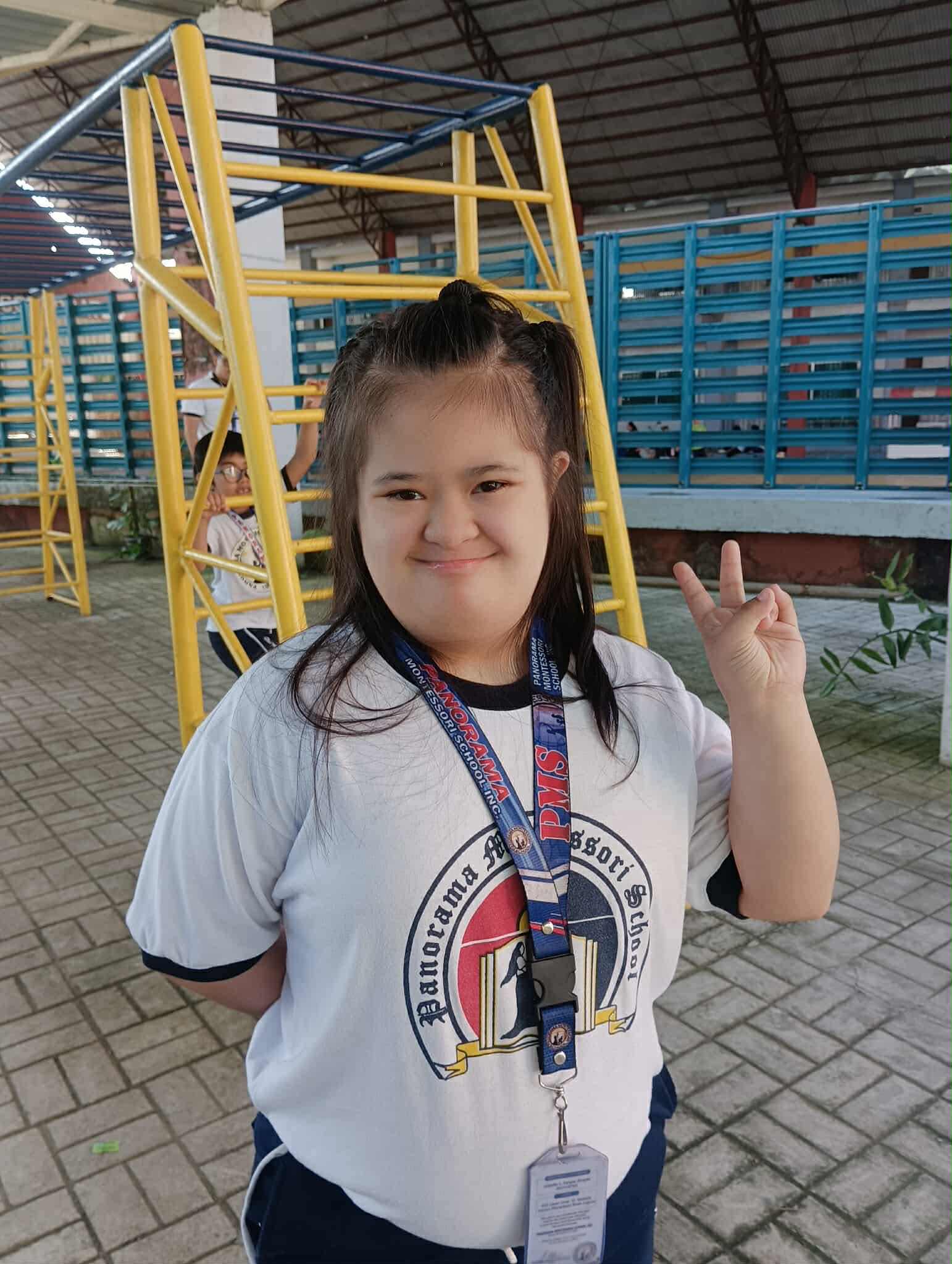
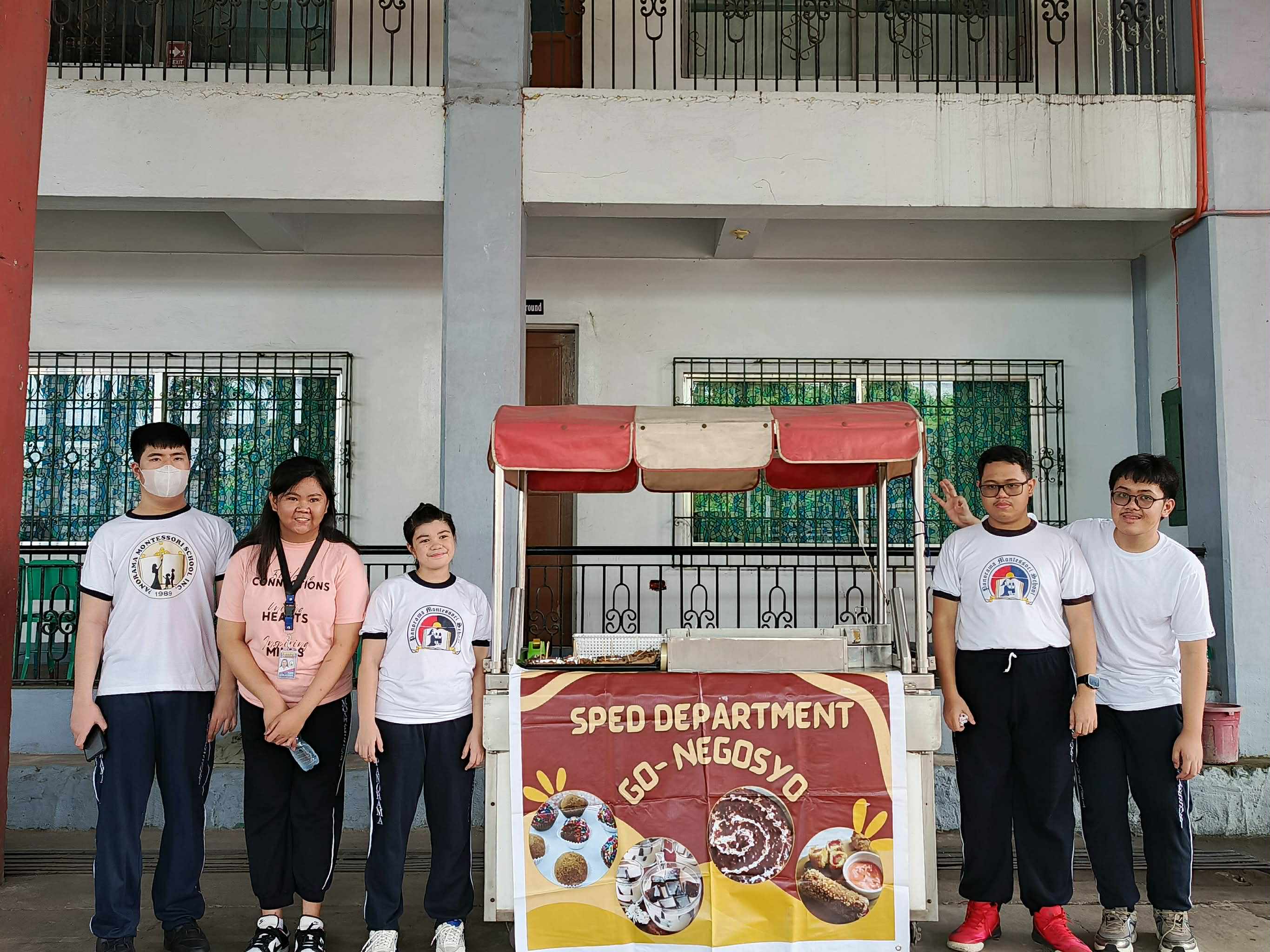
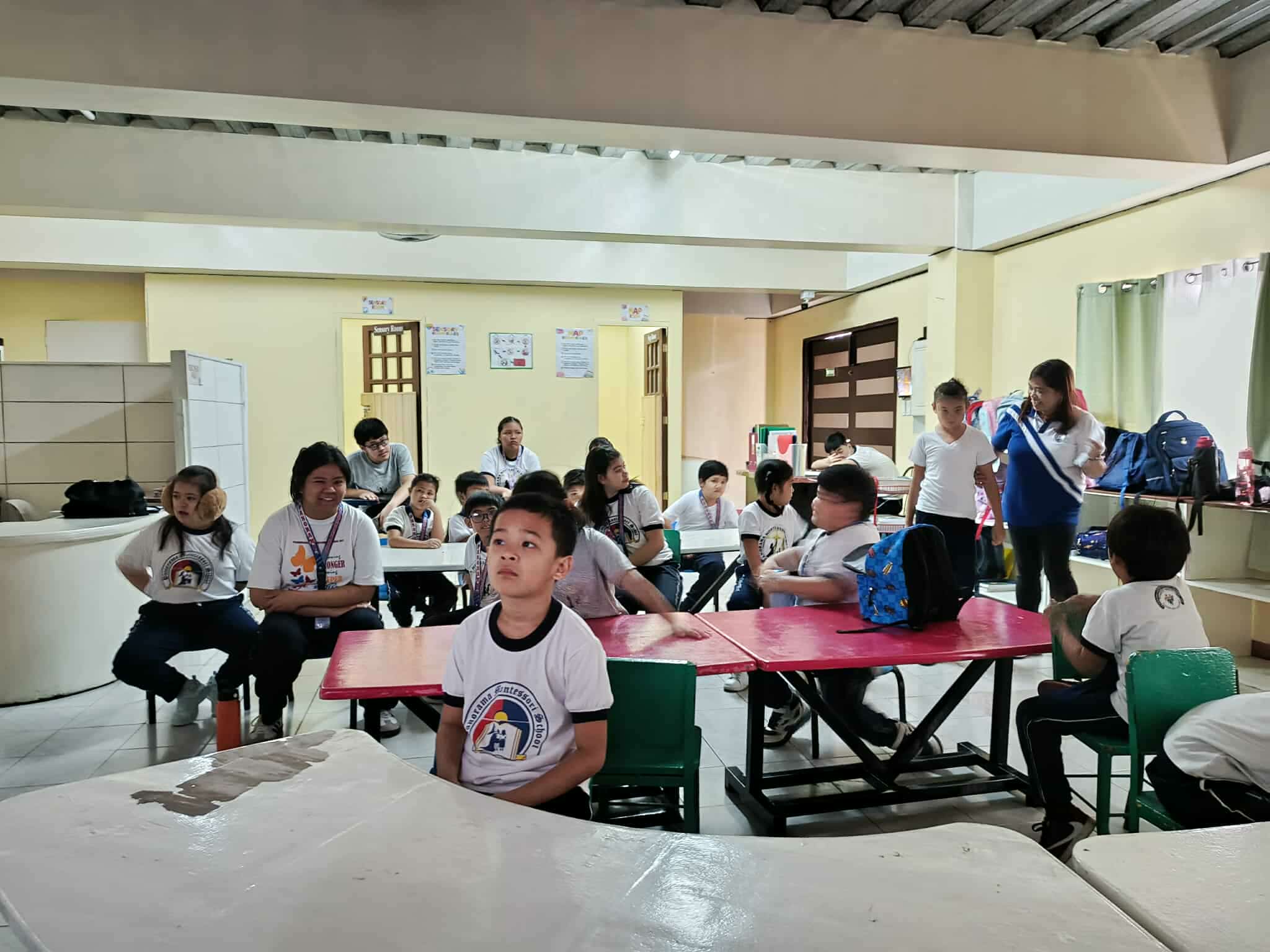
Education under the Sulong EduKalidad Program: A Step towards Quality and Accessible Learning
The Department of Education (DepEd) in the Philippines continues to push for inclusive education through its Sulong EduKalidad program.
SNED, or Special Needs Education, is a vital component of this initiative, aiming to provide quality education for all learners, including those with special needs.
What is SNED Inclusivity?
SNED inclusivity refers to the approach of providing equal opportunities for learners with special needs to access quality education alongside their peers.
This involves adapting teaching methods, materials, and assessments to cater to diverse learning needs.Key Features of SNED Inclusivity:
1. Inclusive Classroom Environment:Creating a welcoming and supportive environment that values diversity and promotes social inclusion.
2. Adapted Instruction:Modifying teaching methods and materials to meet the unique needs of learners with special needs.
3. Assessment Accommodations: Providing reasonable accommodations during assessments to ensure equal opportunities for learners with special needs.
4. Collaboration and Support:Fostering partnerships among teachers, parents, and support staff to ensure holistic support for learners with special needs.
Benefits of SNED Inclusivity:
1.Improved Academic Outcomes: Inclusive education leads to better academic performance and increased learner engagement.
2.Social Inclusion: SNED inclusivity promotes social interaction, empathy, and understanding among learners, teachers, and the broader community.
3.Increased Access to Education: SNED inclusivity ensures that learners with special needs have equal access to quality education, promoting educational equity.
How Can You Support SNED Inclusivity?
1. Raise Awareness: Promote understanding and acceptance of inclusive education in your community.
2.Support Inclusive Practices: Encourage teachers and schools to adopt inclusive practices and provide resources for learners with special needs.
3. Advocate for Policy Support: Support policies that promote inclusive education and provide resources for learners with special needs.
By working together, we can create a more inclusive and supportive learning environment that values diversity and promotes quality education for all.
Panorama Montessori School offers:
Behavioral Screening with an algorithm to determine the next steps, which may include:
-Occupational Therapy
-Applied Behavioral Analysis (ABA) therapy
-Case Manager /Teacher Support
Panorama Montessori School provides a behavioral screening process that uses an algorithm to assess children's needs.
Based on the results, it may recommend interventions such as occupational therapy for motor skills and daily activities, ABA therapy for behavior modification, or a small group case manager or teacher’s support to assist individual students in the classroom.
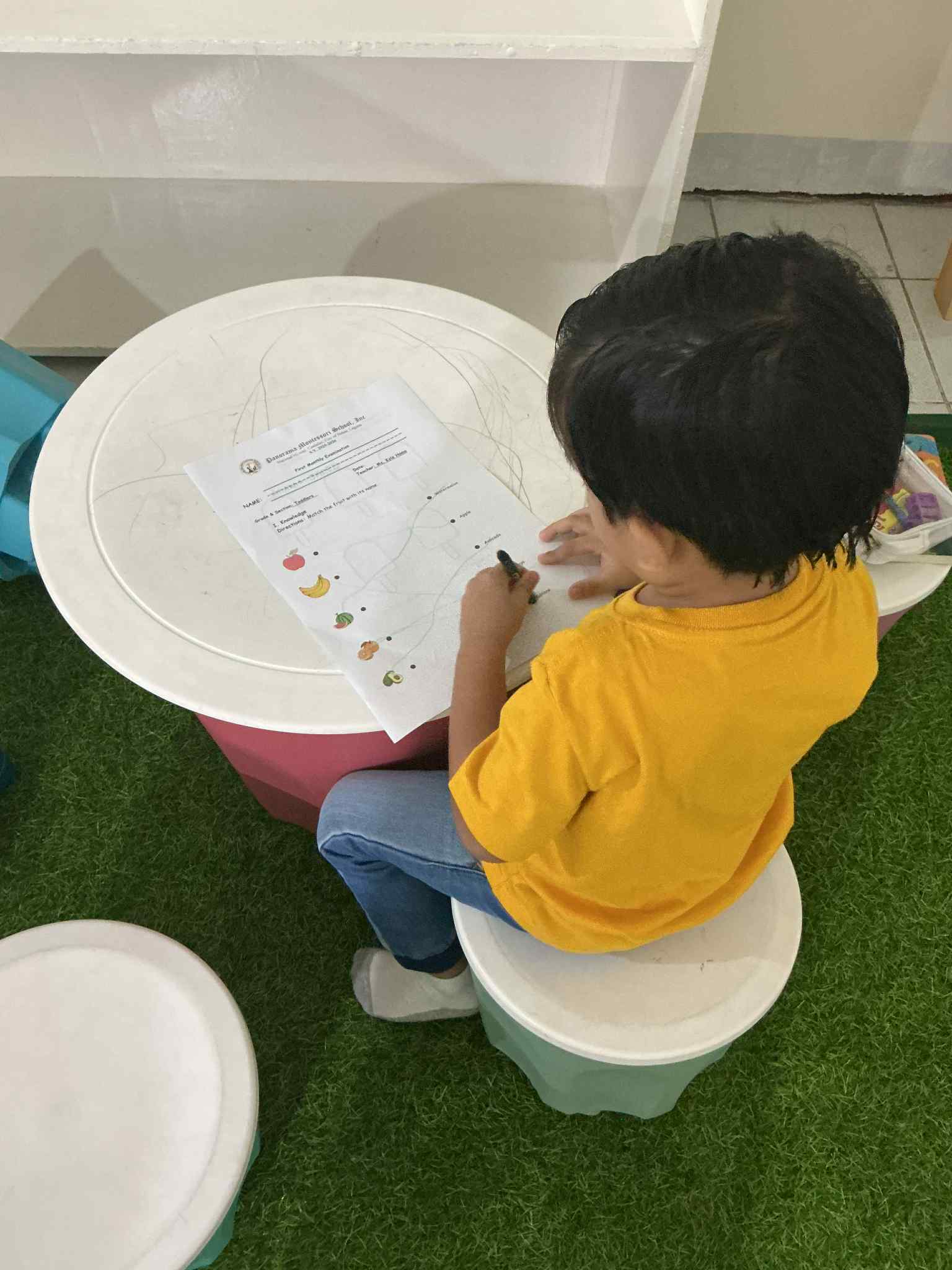
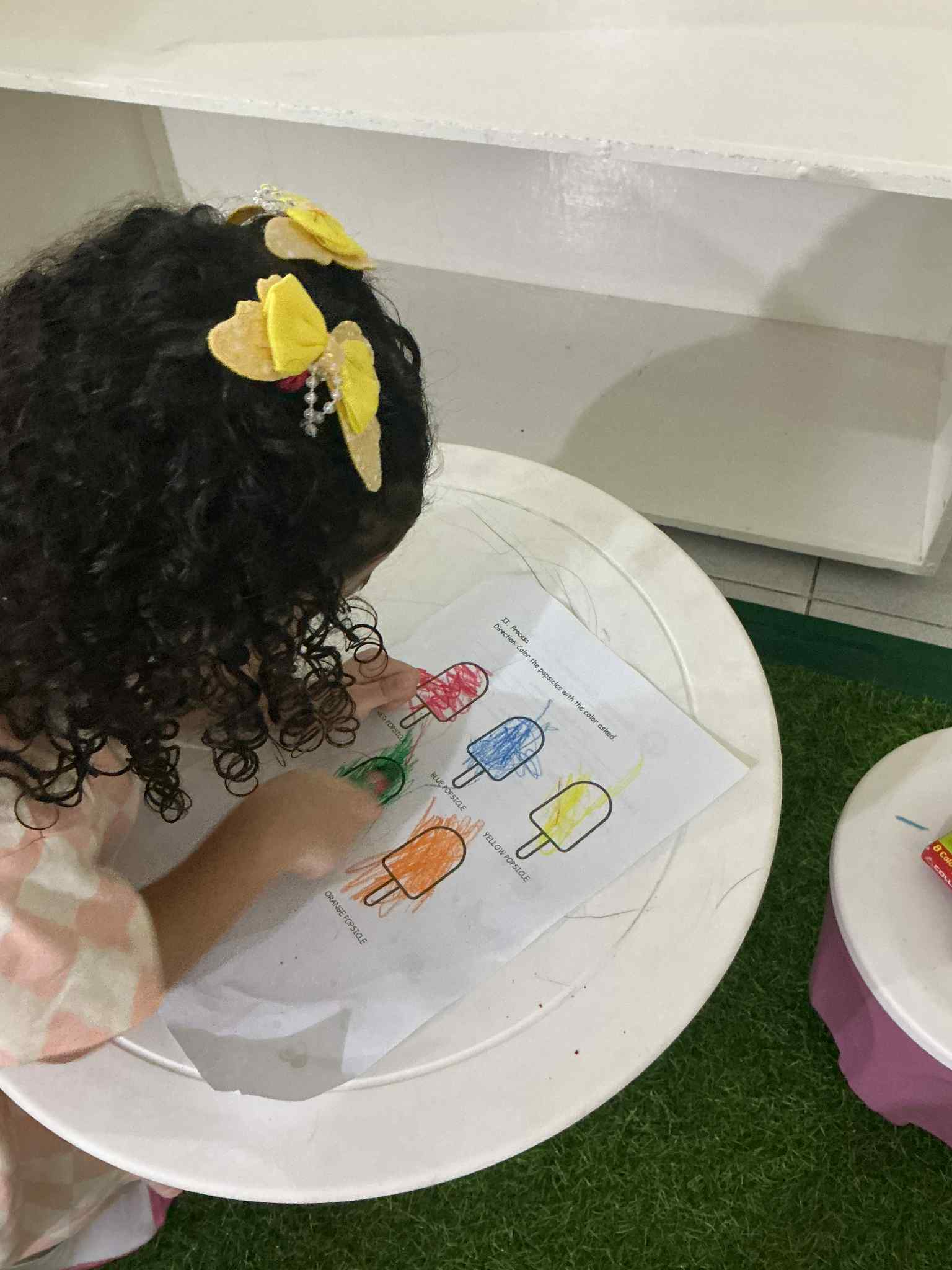
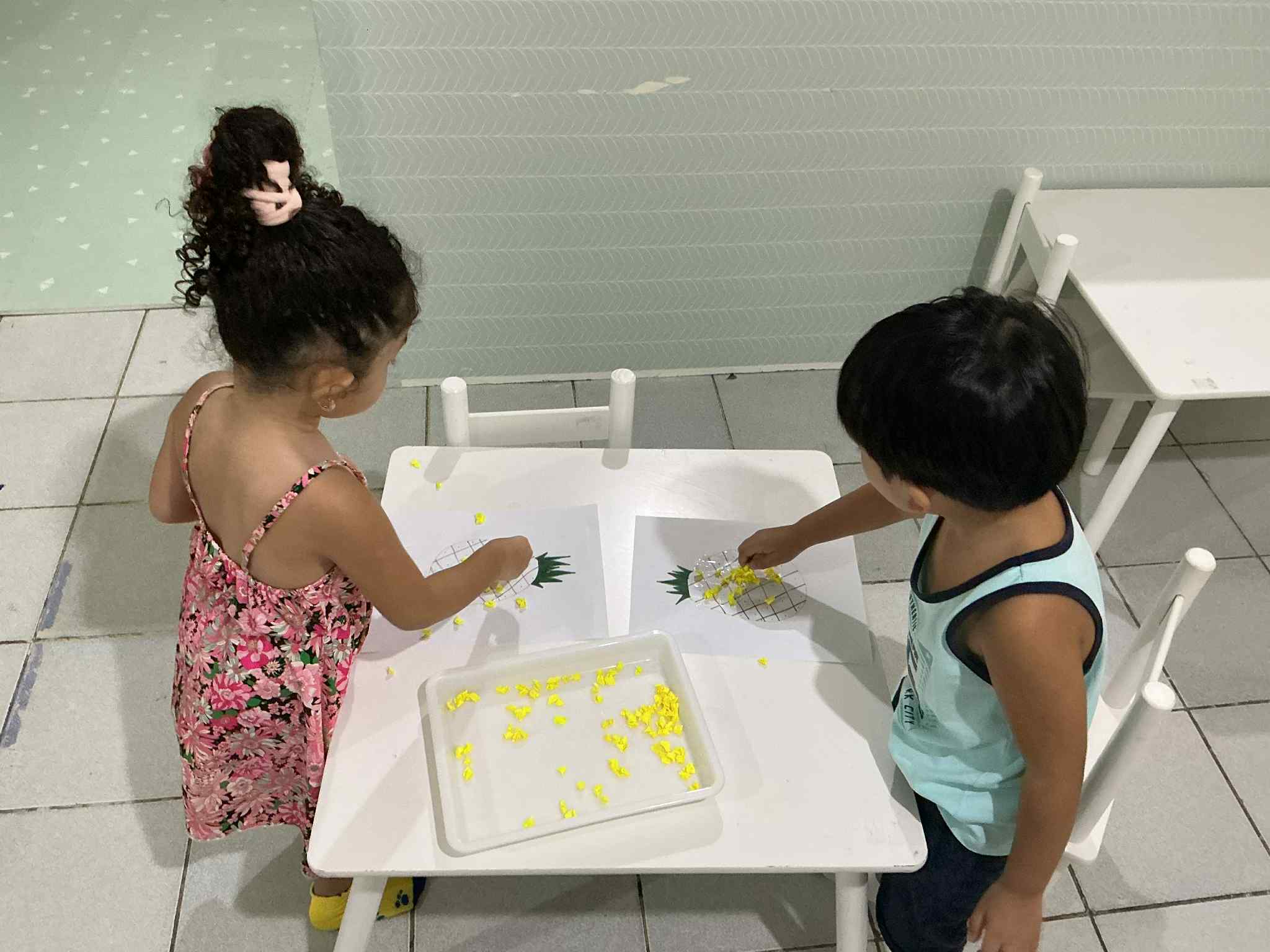
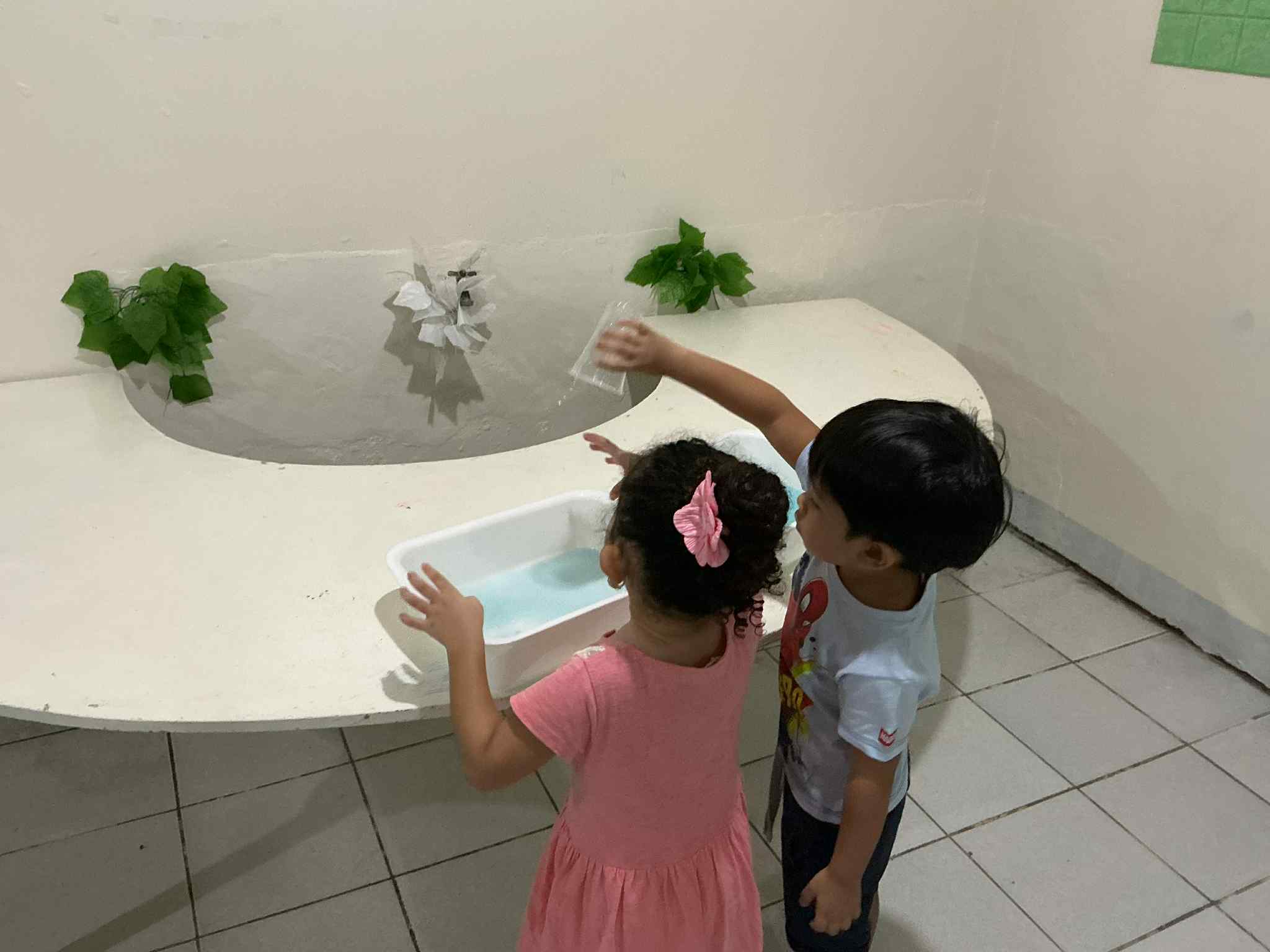
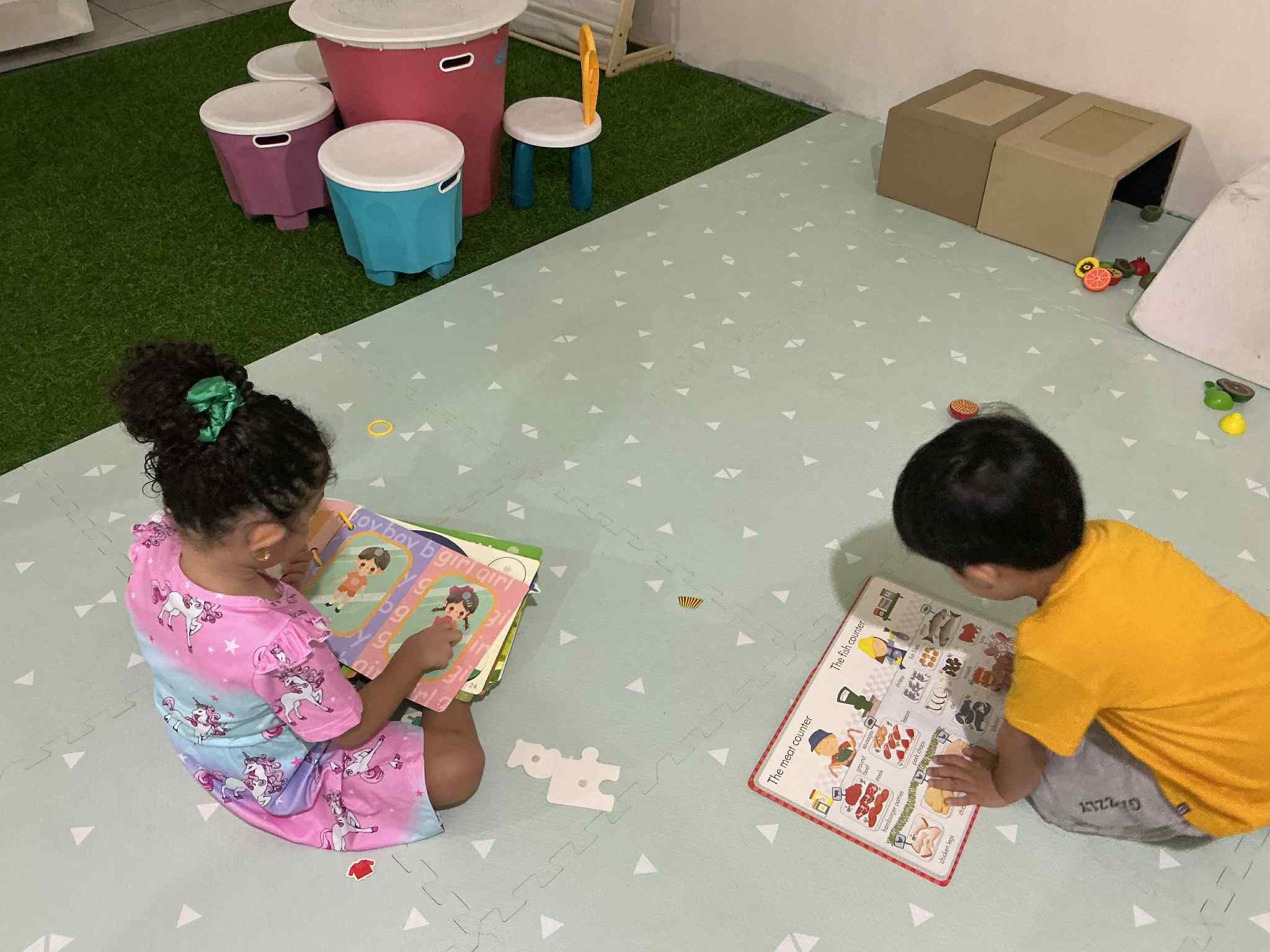
Why choose us?
- trained toddlers' teacher and play therapist
- safe and nurturing environment
-personalized attention for each child
- focus on holistic development
Panorama Montessori School offers:
Circle Time
Circle Time is a group gathering in which all children (or many of them) come together—usually sitting in a circle—with the teacher facilitating.
It’s a time for community-building, sharing, introducing new themes or lessons, songs, stories, calendar work, and more.
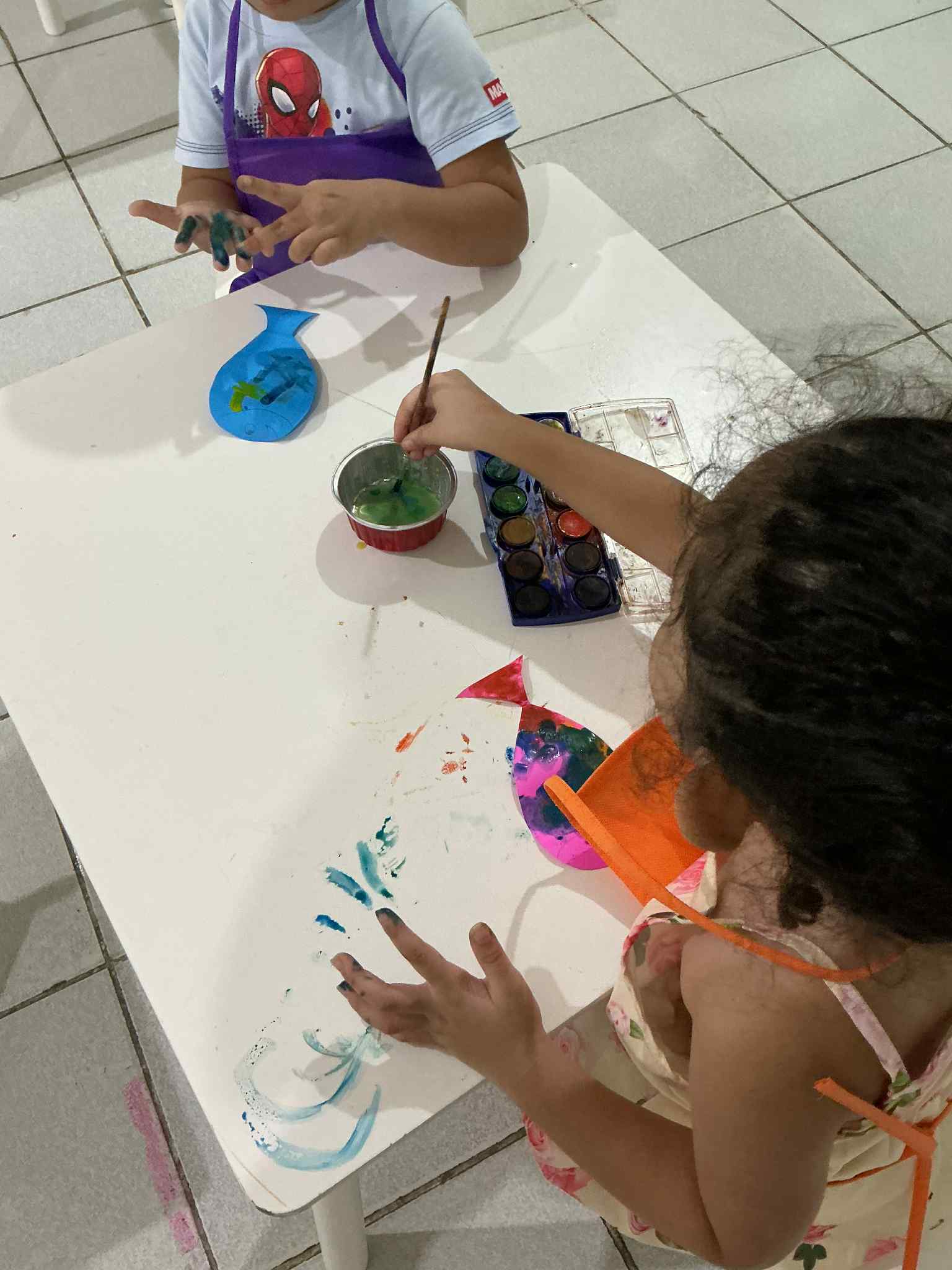
Arts & Crafts
This is a creative, expressive time where children use various art materials (paper, paints, clay, markers, glue, natural materials, etc.) to make something.
It’s open-ended or guided depending on the goals.
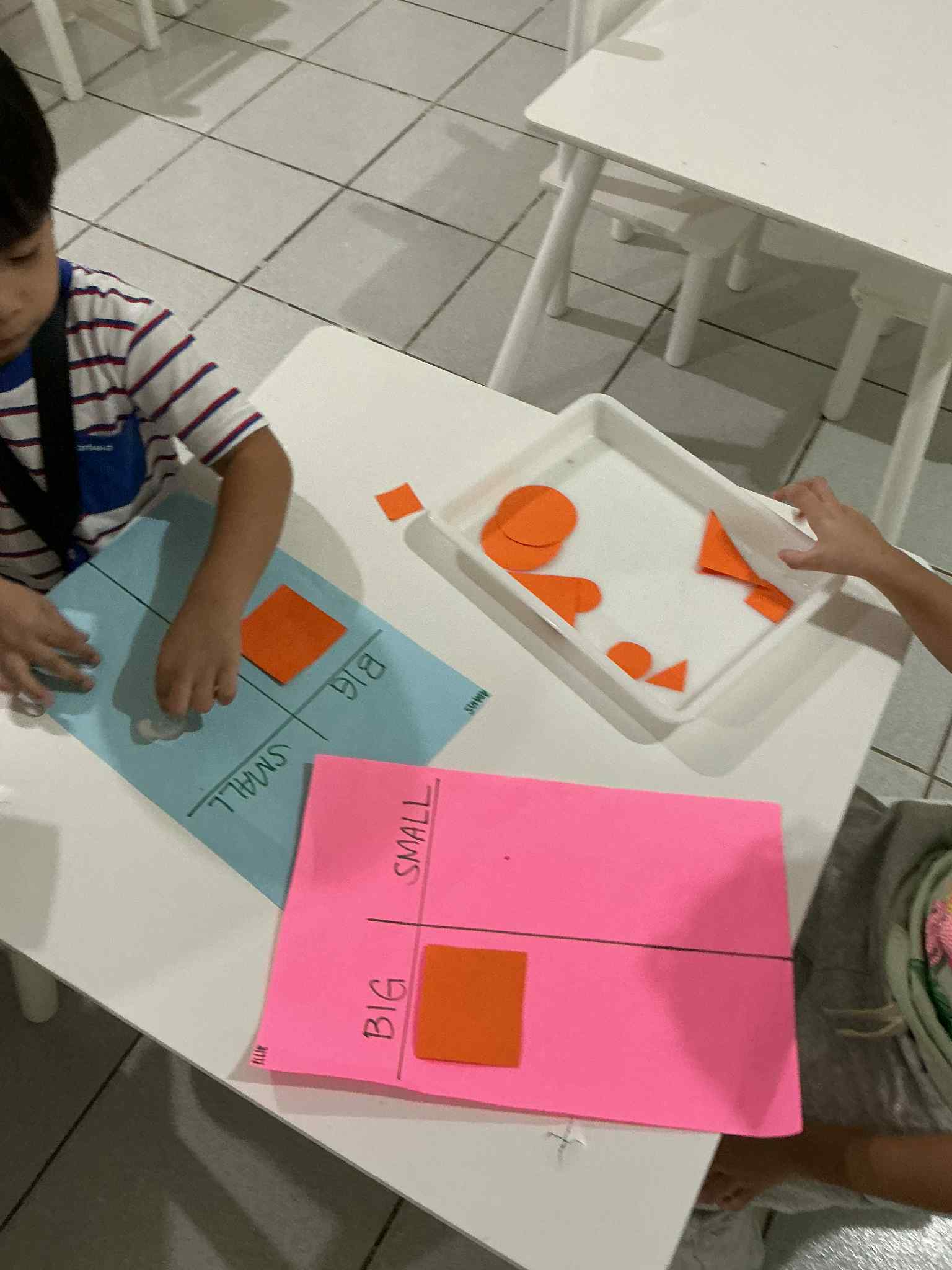
Manipulative Play (or Manipulative Materials / Manipulative Play)
This refers to play with materials that children can physically manipulate—blocks, puzzles, beads,
construction toys, small building sets, pegboards, threading, interlocking pieces, etc.
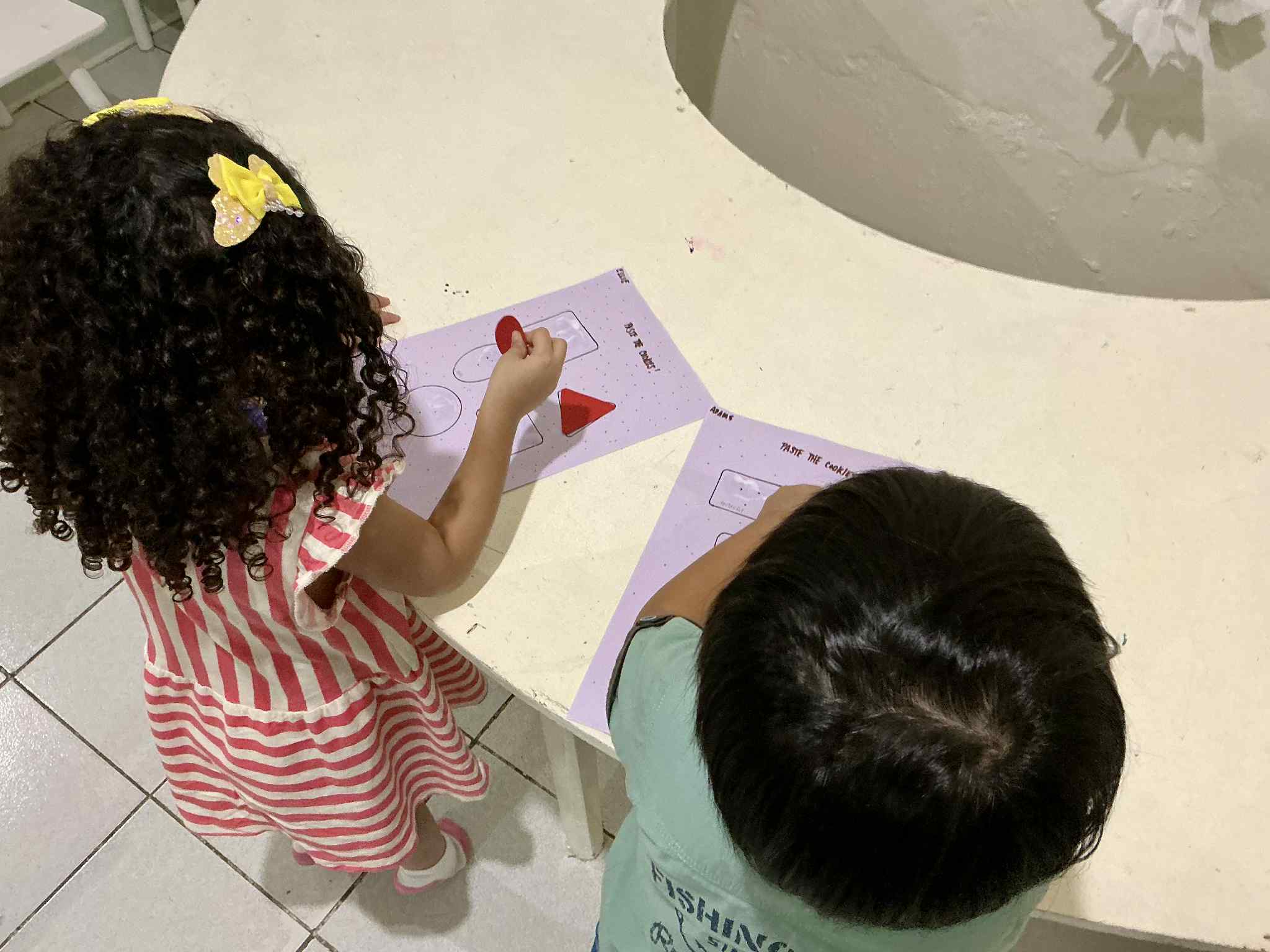
Sensorial Exploration
Sensorial (or sensory) exploration means engaging and refining the child’s senses (sight, sound, touch, taste, smell)
through carefully designed materials and experiences.
Music & Movement
This integrates music, rhythm, singing, dance, and movement/motor activities—giving children opportunities
to move their bodies in creative and structured ways.
W.D.B